
After months of cold temperatures, heavy rainfall and reduced daylight, spring lawn care becomes essential for restoring healthy turf. Most lawns enter spring compacted, moss-ridden and lacking nutrients.
Surfaces that once drained well may now hold water. Grass that looked healthy in autumn often appears thin and uneven by March.
Scarifying – Removing the Barrier to Growth
Over time, lawns develop a layer of thatch made up of dead grass, moss and organic debris. While a thin layer is natural, excessive build-up acts like a barrier between the grass and the soil below.
This layer traps moisture near the surface and prevents air, water and nutrients from reaching the roots. It also creates ideal conditions for moss to thrive.
Scarifying mechanically removes this layer using a powered machine with vertical blades.
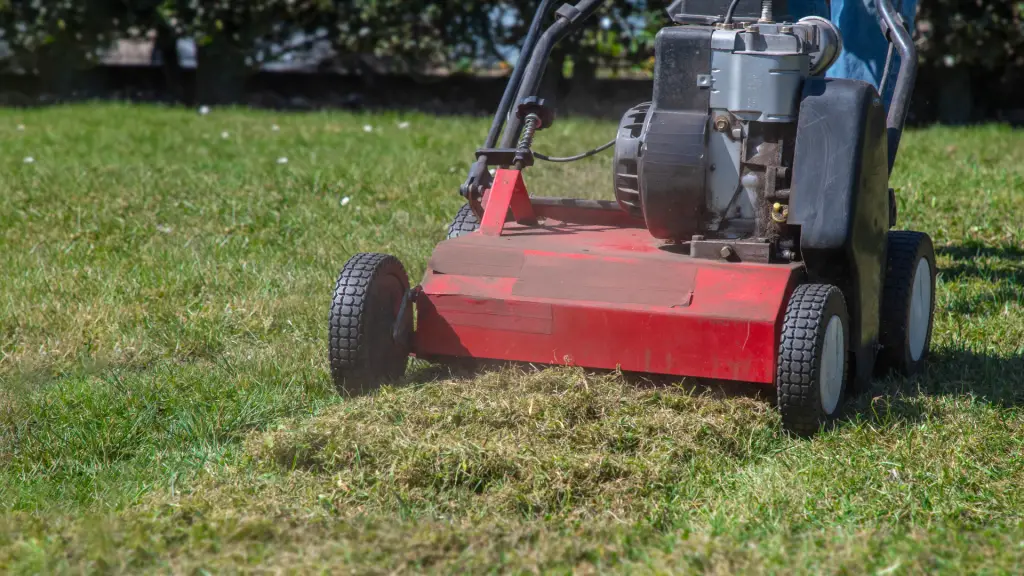
The lawn may look rough immediately after treatment. In some cases it can appear heavily disturbed. This is normal. The short-term disruption allows long-term recovery by opening the surface and stimulating fresh growth.
Timing is important. Scarifying should take place when the grass has started actively growing, usually early to mid-spring, so it can recover quickly.
Why It Matters
-
Reduces moss dominance
-
Improves nutrient penetration
-
Encourages upright grass growth
-
Prevents shallow rooting
-
Improves drainage at surface level
Aerating – Relieving Compaction
Winter rainfall combined with foot traffic compacts the soil. Compaction reduces the amount of oxygen available to roots and limits drainage. Aeration solves this by creating small holes in the soil. This can be done using solid tines or hollow tines that remove small plugs of soil.

On larger commercial grounds, hollow tine aeration is often preferred as it physically removes compaction rather than simply puncturing the surface.
Aeration works particularly well when combined with scarifying, as it addresses both surface and subsurface issues.
The Benefits of Aeration
-
Improves air exchange in the root zone
-
Enhances water infiltration
-
Encourages deeper root development
-
Reduces runoff and waterlogging
-
Increases effectiveness of fertiliser
Overseeding – Repairing and Thickening
After scarifying and aerating, the lawn surface is open and ready to accept new seed.
Overseeding fills worn areas and thickens thinner sections. A dense lawn is not just visually stronger, it is more resistant to weeds and disease.
Key Considerations
Choose the Right Seed Mix
Select a seed mix suited to site conditions, such as shade tolerance or areas exposed to heavy foot traffic.
Ensure Good Contact
Make sure there is strong seed to soil contact to support proper germination and root establishment.
Maintain Consistent Moisture
Keep the area evenly moist during germination to encourage healthy and even growth.
Fertilising – Restoring Nutrients
Winter leaches nutrients from the soil. Nitrogen levels are often depleted, leaving grass pale and slow to grow.
A balanced spring fertiliser restores essential nutrients and stimulates controlled growth.
Feeding too early can waste product. Feeding too late can delay recovery. Correct timing ensures the lawn responds efficiently.
A Structured Fertilising Plan
Time It Correctly
Apply fertiliser once soil temperatures rise consistently to support active growth.
Choose Slow-Release
Use a slow-release formula to avoid rapid, weak growth and encourage steady development.
Support With Water
Combine with watering if rainfall is limited to help nutrients reach the root zone effectively.
Professional Tree Pruning with TLC Landscapes
Spring lawn care works best as one joined-up programme, not separate tasks.
Overseeding thickens and repairs. Together, these steps rebuild the lawn from the soil upwards, improving root depth, drainage and overall resilience.
Delaying this work often leads to more weeds, ongoing moss, higher summer watering demands and surface stress during dry periods. Acting early reduces corrective maintenance later and keeps standards consistent across commercial sites, estates and residential developments.
Spring preparation is not about short-term appearance. It is about correcting winter damage and creating a lawn that performs reliably through the months ahead.
Explore our professional lawn and turf renovation service.
Spring Lawn Care FAQs
When should you scarify a lawn in the UK?
Scarifying is usually best carried out in early to mid-spring once the grass has started actively growing. This allows the lawn to recover quickly after the thatch and moss have been removed.
Is lawn aeration necessary every year?
Most lawns benefit from aeration once a year. Areas with heavy foot traffic or clay soil may require aeration more frequently to relieve compaction and improve drainage.
Should you overseed after aerating a lawn?
Yes. Aeration creates openings in the soil that allow grass seed to make better contact with the ground, improving germination and helping thicken the lawn.
What fertiliser should be used in spring?
A balanced spring fertiliser containing nitrogen, phosphorus and potassium helps restore nutrients lost during winter and encourages steady grass growth.
Spring Lawn Preparation in Tring and Surrounding Areas
TLC Landscapes provides professional lawn renovation, scarifying, aeration and overseeding services across Tring, Berkhamsted, Wendover, Aylesbury and surrounding areas.
Our spring lawn preparation services help commercial properties, estates and residential developments recover from winter damage and prepare outdoor spaces for the growing season ahead.
If your lawn has become compacted, moss-ridden or patchy after winter, our team can assess the condition of the turf and provide a structured renovation plan.
Looking for professional grounds maintenance in Tring or Berkhamsted? Explore our full grounds maintenance services.