
Why Spring Is the Most Important Time for Lawn Renovation
By the time March and April arrive, most lawns in the UK have been through four months of cold, wet weather. Frost, heavy rainfall, and limited sunlight take a significant toll on grass — compressing the soil, depleting nutrients, and encouraging moss and thatch to take hold.
Spring lawn renovations are really important at this stage of the year. Once soil temperatures rise consistently above 8–10°C, grass enters active growth and responds well to renovation treatments. Acting within this window sets the lawn up for the entire growing season.
Miss it, and you are likely managing the consequences — thin grass, persistent moss, poor drainage, and surface stress — right through until autumn.
This guide explains the three core spring renovation treatments — aeration, overseeding and feeding — and why carrying them out in the right order, at the right time, makes all the difference.
Step One: Scarifying — Clearing the Way
Before aeration or overseeding can be effective, the lawn surface needs to be cleared of thatch. Thatch is the layer of dead grass, moss and organic debris that accumulates just above the soil surface.
A thin layer of thatch is natural and harmless. When it builds up beyond around 1cm, it starts to cause problems:
- It blocks water, air and nutrients from reaching the roots
- It creates the perfect environment for moss to spread
- It traps moisture near the surface, increasing disease risk
- It prevents new grass seed from making proper contact with the soil
Scarifying uses a powered machine with vertical blades to cut through and remove the thatch layer. The lawn will look rough immediately afterwards — this is completely normal. Within a few weeks of active growth, the grass recovers and comes through noticeably stronger.
For commercial grounds, scarifying is typically carried out in early to mid-spring, once grass is visibly growing and temperatures are consistently rising.
Step Two: Aeration — Relieving Compaction
Compaction is one of the most damaging and overlooked issues in lawn care. When soil becomes compacted — through rainfall, foot traffic, or machinery — the air pockets that grass roots depend on are squeezed out.
Without adequate airflow in the soil, roots cannot develop properly, drainage is restricted, and the lawn becomes susceptible to waterlogging. Fertiliser applied to compacted soil has limited effectiveness because it cannot penetrate to where it is needed.
Aeration solves this by creating channels through the soil. There are two main methods:
Solid Tine Aeration
A solid spike is driven into the soil, creating holes without removing material. This method is suitable for moderately compacted lawns and improves airflow and drainage without significant surface disturbance.
Hollow Tine Aeration
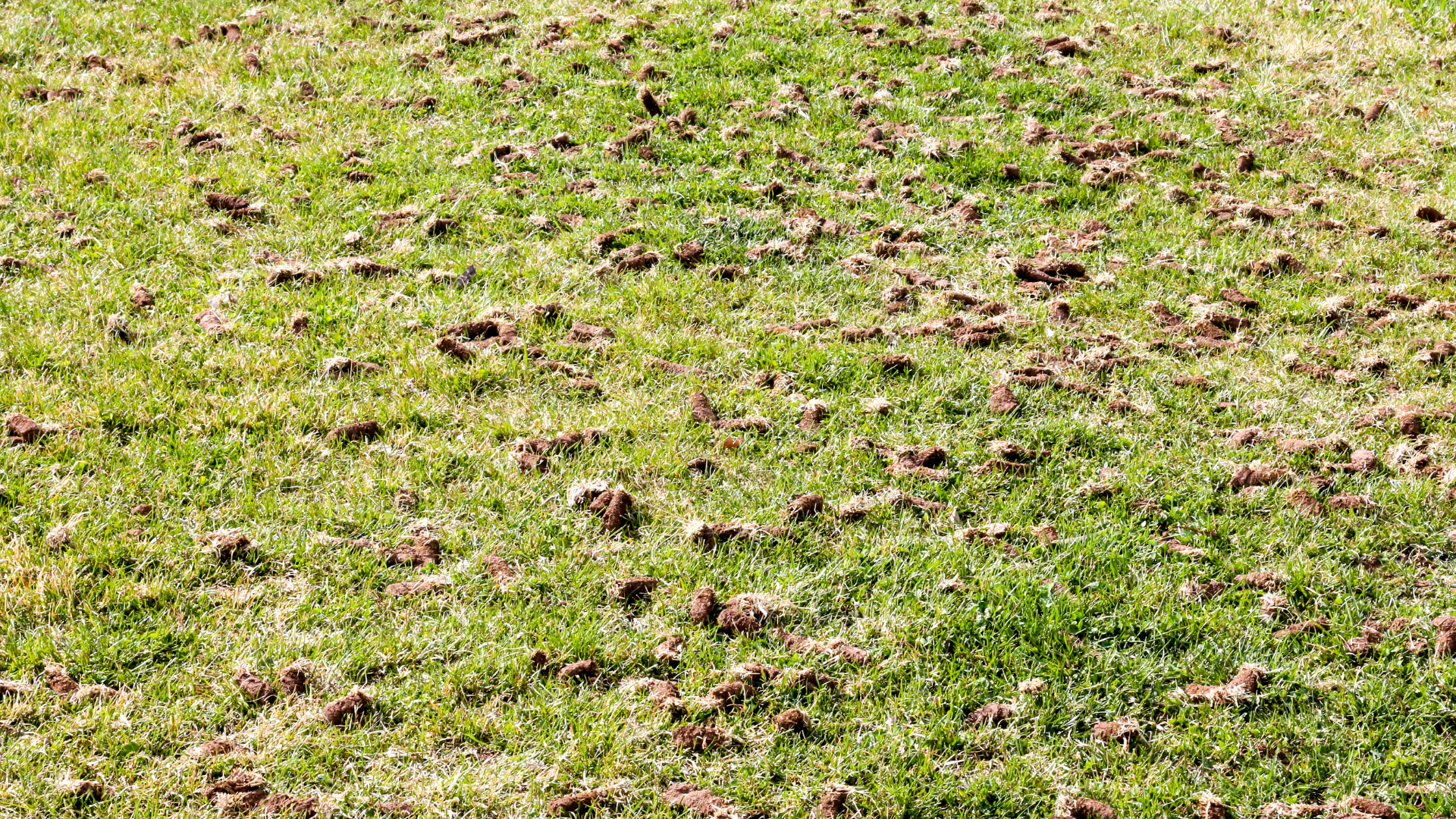
A hollow tube removes small plugs of soil from the lawn, physically relieving compaction rather than simply displacing it. This is the more thorough method and is particularly effective on clay soils — which are common across Hertfordshire and Buckinghamshire — where compaction builds up quickly over winter.
The benefits of spring aeration include:
- Improved air exchange in the root zone
- Better water infiltration and drainage
- Deeper root development over summer
- Increased effectiveness of fertiliser applications
- Reduced surface waterlogging
On commercial sites, hollow tine aeration is generally the preferred approach, particularly on high-use or clay-heavy ground.
Step Three: Overseeding — Repairing and Thickening
With the thatch cleared and the soil opened up, the lawn is now in the ideal condition to accept new seed. Overseeding fills bare patches, repairs damaged areas, and thickens thin grass — creating a denser sward that is naturally more resistant to weeds and disease.
The key to successful overseeding in spring is getting three things right:
Seed-to-Soil Contact
New seed needs direct contact with bare soil to germinate properly. Aeration and scarifying create exactly the conditions needed for this. Seed scattered onto dense, undisturbed thatch will largely fail to germinate.
Species Selection
Not all grass seed mixes are the same. For commercial grounds, choose a mix suited to the site’s usage and conditions — whether that is shade tolerance for tree-lined areas, hardwearing blends for high-traffic zones, or finer mixes for more ornamental settings.
Moisture Management
Spring rainfall is typically adequate to support germination in the UK, but new seed must not be allowed to dry out in the critical first weeks. If conditions are particularly dry, supplementary irrigation helps ensure even germination across the lawn.

Step Four: Feeding — Restoring What Winter Took
Winter leaches nutrients from the soil, particularly nitrogen — the primary driver of grass growth and colour. By spring, most lawns are visibly pale and slow to respond, even when temperatures improve.
A well-timed spring fertiliser application restores the nutrient balance and stimulates controlled, steady growth throughout the season.
Key principles for spring lawn feeding:
- Apply once soil temperatures are consistently sufficient to support active growth — typically mid to late March in the south of England
- Choose a slow-release formulation to avoid rapid, weak growth that is more vulnerable to disease
- Ensure good coverage across the whole lawn, not just visible bare patches
- Water in if rainfall is limited in the days following application
For commercial sites with large areas of lawn, a phased fertiliser programme — with applications timed through spring, summer and autumn — provides better year-round results than a single annual treatment.
Doing It in the Right Order
Spring lawn renovation works best as a joined-up programme rather than individual treatments applied in isolation. The correct sequence is:
- Scarify — clear thatch and moss
- Aerate — relieve compaction and open the soil
- Overseed — introduce new grass into the prepared surface
- Feed — restore nutrients and support establishment
Each step supports the next. Overseeding without prior aeration produces patchy results. Feeding without addressing compaction is largely wasted. Carrying out all four treatments in the right order, at the right time of year, delivers a measurably better outcome.
Frequently Asked Questions
When is the best time to aerate a lawn in the UK?
Spring aeration is most effective from late March through April, once soil temperatures are consistently above 8°C and the grass has begun actively growing. Autumn is the other primary window for aeration, particularly hollow tine work.
How long does it take for overseeded grass to establish?
Under good conditions, new grass seed germinates within 7–14 days. Full establishment — where the new grass is visibly thickening and blending with existing growth — typically takes 4–8 weeks depending on species, soil conditions and weather.
Should I scarify before or after overseeding?
Always scarify before overseeding. Scarifying clears the thatch layer and prepares the surface, which is essential for seed-to-soil contact. Overseeding onto uncleared thatch results in poor germination.
How often should commercial lawns be renovated?
Most commercial lawns benefit from a full spring renovation programme each year — particularly those subject to heavy use or those on clay soils. Some sites with significant winter wear may also benefit from light autumn renovation. Annual treatment keeps the turf dense, healthy and consistently presented.
Spring Lawn Renovation in Tring, Berkhamsted and Across Hertfordshire
TLC Landscapes provides professional spring lawn renovation services for commercial properties, managed estates, housing associations and private clients across Hertfordshire, Buckinghamshire and Bedfordshire.
Our teams carry out scarifying, hollow tine aeration, overseeding and spring fertiliser programmes across Tring, Berkhamsted, Hemel Hempstead, Wendover, Aylesbury and surrounding areas. We assess each site individually and recommend a renovation programme based on current turf condition, soil type and usage.
If your grounds have come through winter looking thin, patchy or moss-ridden, we can help. Contact us to arrange a site assessment and find out what your lawn needs this spring.
TLC Landscapes provides lawn and turf renovation services across Hertfordshire and the surrounding counties. Visit our Lawn and Turf Renovation page to find out more, or contact us to arrange a free site assessment.